The allure of high-stakes gambling
High-stakes gambling captivates individuals for numerous reasons, often rooted in psychological dynamics that go beyond the mere chance of winning. The thrill associated with placing large bets can evoke feelings of excitement and adrenaline, creating a euphoric high that many find irresistible. This rush can lead to a phenomenon known as “gambling addiction,” as the brain releases dopamine, reinforcing the behavior and creating a cycle of dependency on the exhilarating experience. Many players seek platforms that offer a smooth gaming experience, especially those with a focus on casino fast withdrawal uk to enhance their engagement, making the environment itself, often filled with flashing lights and the sounds of cheers, amplifies this sense of thrill, making it even more alluring.
Moreover, the prestige and social status linked to high-stakes gambling environments can enhance this allure. Casinos often market these exclusive areas as glamorous, where high rollers are treated like royalty, elevating their status among peers and within wider social contexts. The combination of potential financial gain and social validation makes high-stakes gambling alluring, attracting individuals eager to escape mundane realities and engage in something extraordinary. This social aspect can transform gambling into a shared experience, where victories are celebrated together, further enhancing the excitement.
In addition to thrill-seeking and social status, high-stakes gambling provides an avenue for escapism. Many individuals turn to gambling as a means to disconnect from everyday life and its stresses. The stakes become symbolic, representing not just monetary value, but also hopes, dreams, and life’s uncertainties. This escapist element can shift gamblers’ focus away from underlying personal issues, making them more susceptible to the seductive nature of high-stakes betting. In essence, gambling becomes a temporary refuge, allowing individuals to immerse themselves in a world where their cares seem to fade away.
The psychology behind decision-making in gambling
Understanding decision-making in high-stakes gambling involves recognizing the innate cognitive biases that influence behavior. One significant bias is known as the “gambler’s fallacy,” where individuals believe that past events affect the probabilities of future outcomes. For example, a player might think that a particular slot machine is “due” for a payout after a series of losses, demonstrating a misunderstanding of independent probabilities. This illusion of control can lead to riskier betting behaviors as players chase perceived opportunities rather than making informed decisions.
Another critical aspect of decision-making in high-stakes gambling is the concept of loss aversion. Studies indicate that people feel the pain of losses more acutely than the pleasure of equivalent gains. This emotional response often leads gamblers to chase losses, increasing their risk-taking behavior as they try to recoup what they’ve lost. Such psychological mechanisms can spiral out of control, as the desire to avoid loss overshadows logical decision-making. The urgency to recover lost funds can create a cycle of repeated gambling, further entrenching individuals in their habits.

Furthermore, the environment in which high-stakes gambling occurs plays a significant role in influencing decisions. The sensory overload of a casino—bright lights, engaging sounds, and intoxicating atmosphere—can distort a gambler’s perception of probability and risk. Under such conditions, cognitive function may weaken, leading individuals to make impulsive choices rather than calculated decisions. This interplay of environment and psychology contributes to the complexities of gambling behavior, emphasizing the importance of situational factors in decision-making processes.
The impact of emotions on gambling behavior
Emotions play a crucial role in shaping gambling behavior, often influencing individuals’ choices in ways they may not consciously recognize. The excitement and joy of winning can create a feedback loop that reinforces continued gambling, driving individuals to pursue ever-higher stakes to replicate those feelings. This emotional high can create a dependency on the thrill of winning, overshadowing the more rational aspects of decision-making. Conversely, negative emotions such as anxiety or frustration following losses can prompt desperate attempts to recover, leading to even more reckless gambling.
Additionally, mood states significantly affect how gamblers assess risk. A player in a euphoric state may take bigger risks than someone who is feeling cautious or unsure. This emotional volatility can result in a distorted perception of reality, where gamblers may overestimate their chances of winning. Understanding this emotional dimension helps to explain why some individuals may engage in compulsive gambling despite adverse consequences, as their decision-making becomes heavily influenced by transient feelings. The thrill of a potential win can overshadow the rational assessment of risk involved.
The social aspects of gambling also intensify emotional responses. Engaging with others can lead to shared exhilaration or shared despair, amplifying individual emotions. When in the company of fellow gamblers, the camaraderie often enhances risk-taking behaviors and encourages a “go big or go home” mentality. These social interactions can further complicate the psychological landscape of gambling, creating an environment where emotions run high and rational thinking becomes secondary. The shared experience of highs and lows can create bonds, further entrenching individuals in their gambling activities.
Addiction and its psychological ramifications
The psychological ramifications of high-stakes gambling can be profound, often culminating in addiction. Gambling disorder, recognized by the American Psychiatric Association, is characterized by an inability to resist the urge to gamble despite negative consequences. This addiction can lead to devastating effects on personal relationships, finances, and mental health as individuals increasingly prioritize gambling over other aspects of their lives. The compulsive nature of gambling addiction can create a cycle of denial and justification, further complicating recovery efforts.
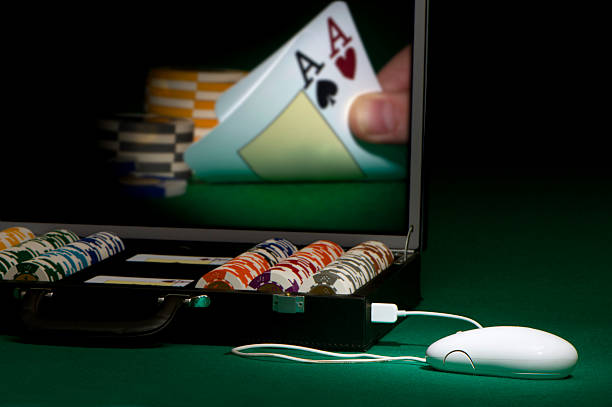
Research indicates that gambling addiction activates similar brain pathways as substance abuse disorders. The anticipation of winning stimulates the brain’s reward system, making it difficult for individuals to resist the urge to gamble. Over time, the need for higher stakes to achieve the same level of excitement can lead to a cyclical pattern of escalating bets and consequences. This addiction often distorts the individual’s perception of self-control and rationality, making it challenging to recognize the depth of their problem.
Furthermore, the stigma surrounding gambling addiction can exacerbate its psychological impact. Many individuals suffering from this disorder may feel isolated and misunderstood, leading to shame and a reluctance to seek help. Confronting the psychological hurdles associated with gambling addiction is essential for recovery, highlighting the need for support systems and interventions designed to address both the behavioral and emotional aspects of this complex issue. Therapeutic approaches that focus on understanding and reshaping the underlying emotions can be particularly effective in recovery journeys.
Expanding awareness of high-stakes gambling and resources
As the popularity of high-stakes gambling continues to rise, so too does the importance of understanding its psychological dimensions. Education and awareness can empower individuals to make informed decisions about their gambling behaviors. By highlighting the potential risks and psychological factors involved, people can approach gambling with a more critical lens, recognizing the signs of problematic behavior early on. Awareness campaigns can play a vital role in informing the public about the nuances of gambling behavior and its potential pitfalls.
Resources for those affected by gambling addiction are increasingly available, offering support and guidance. From counseling services to hotlines, many organizations are dedicated to helping individuals navigate their relationship with gambling. These resources focus on providing strategies for managing urges, enhancing decision-making skills, and addressing the underlying psychological issues that contribute to gambling behaviors. Equipping individuals with these tools can significantly improve their chances of recovery and a healthier relationship with gambling.
Moreover, fostering open discussions about gambling can help diminish the stigma associated with addiction. By creating environments where individuals can share experiences without judgment, society can move toward a more supportive framework. As awareness expands, so does the potential for more effective interventions, allowing those struggling with high-stakes gambling to find the help they need and regain control over their lives. Encouraging honest conversations can facilitate healing and support for those impacted by gambling addiction.